Innovative Sensor Solution Provider
- home
- Product
Product

- application
4News -> Company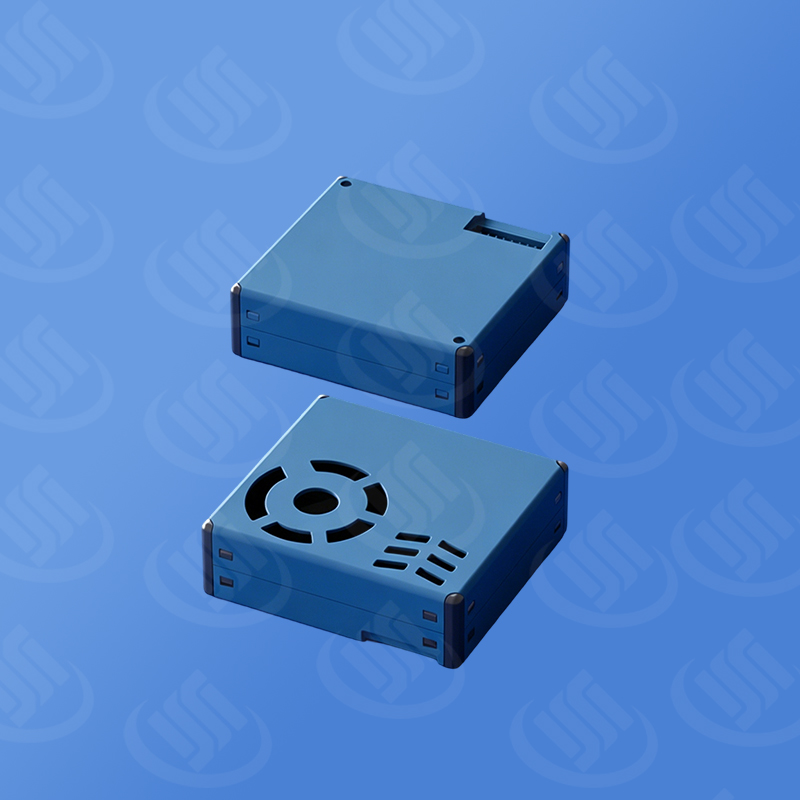 2026-06-22During the continuous operation of dust sensors, data fluctuations and stability issues often lead to a decrease in the reliability of monitoring results. From hardware design to software algorithms, it is necessary to systematically analyze the root causes of fluctuations and optimize solutions. 1. The physical cause of data fluctuations is uneven distribution of particulate matter: Indoor and outdoor airflow disturbances can cause instantaneous changes in local particulate matter concentration. For example, sensors installed near ventilation ducts may experience a concentration fluctuation of 20% per second due to turbulent airflow, while the actual average concentration change in the environment is only 5% per hour. Sensor response delay: The response time of sensors based on different principles varies significantly. The response time of laser scattering sensors is usually
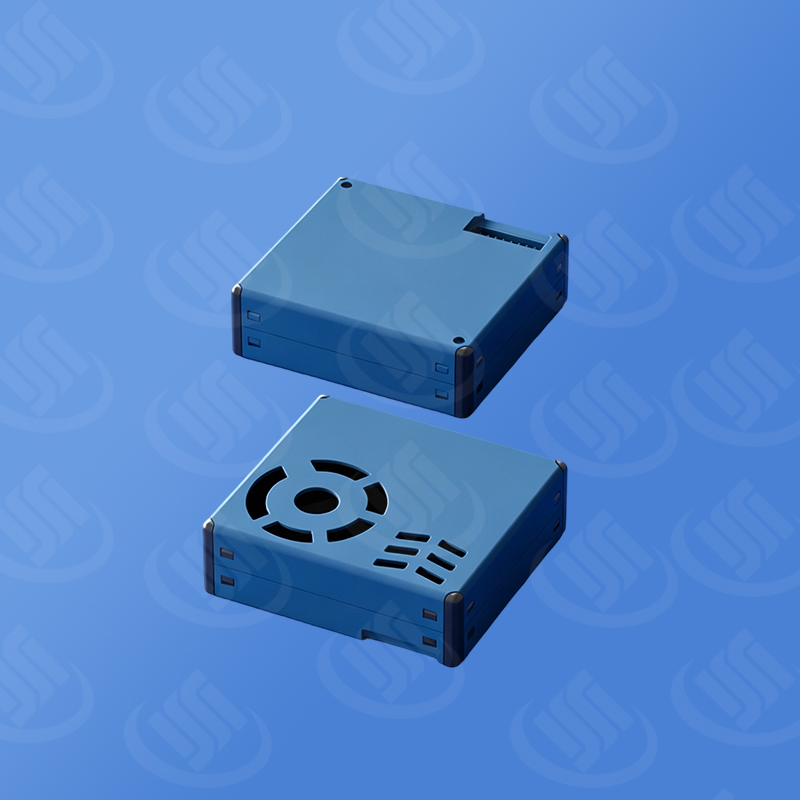 2026-06-22The service life of dust sensors directly affects the long-term operating costs of monitoring systems. From material selection to usage habits, multiple factors jointly determine the decay rate of sensors, which requires scientific maintenance to extend their lifespan. 1. The core mechanism of lifespan decay is the aging of optical components: the output power of laser diodes gradually decreases over time of use. After 2 years of continuous operation, the laser power of a certain type of sensor decreased to 70% of its initial value, resulting in a decrease in signal-to-noise ratio at low concentrations and an expansion of measurement error to ± 15%. Fan wear: Active sampling sensors rely on the fan to suck in air, and fan bearing wear can cause unstable airflow. Testing by a certain enterprise
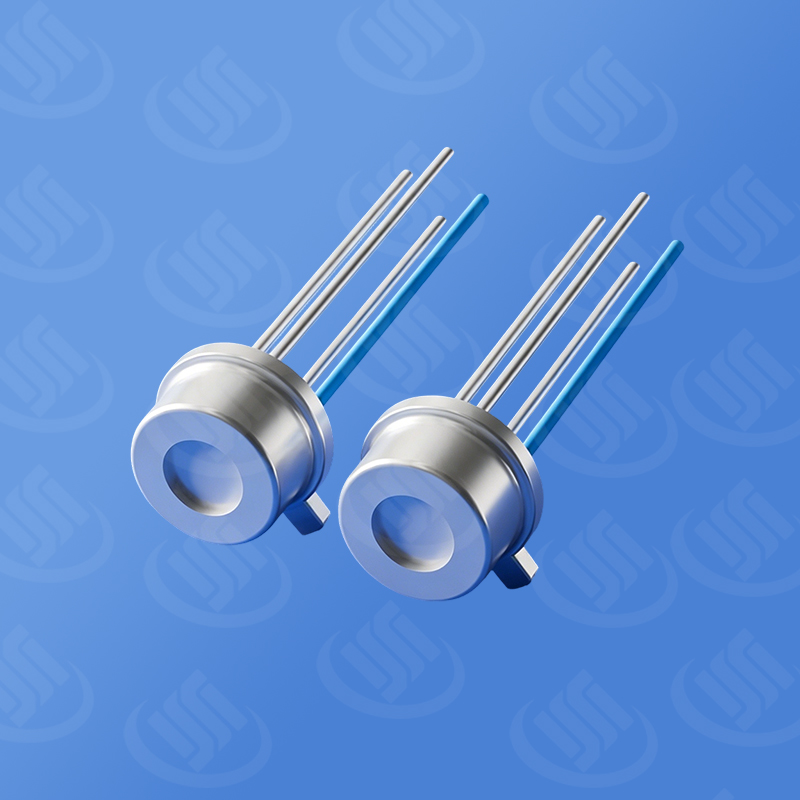 2026-06-22As the application scenarios extend from traditional industries to new energy, smart cities, and other fields, flame detectors are evolving from standardized products to scenario based solutions. This trend requires enterprises to have cross domain technology integration capabilities and develop customized products based on the dynamic characteristics of fire in different scenarios. The demand for resilience enhancement in high-risk industrial scenarios is in industries such as petrochemicals and electricity, where flame detectors need to meet reliability requirements in extreme environments. For example, in response to the Arctic liquefied natural gas project, a certain enterprise has developed a detector that can withstand low temperatures of -45 ℃. The sensitivity attenuation problem of infrared sensors at low temperatures is solved through a special material coating, which is used in Mohe
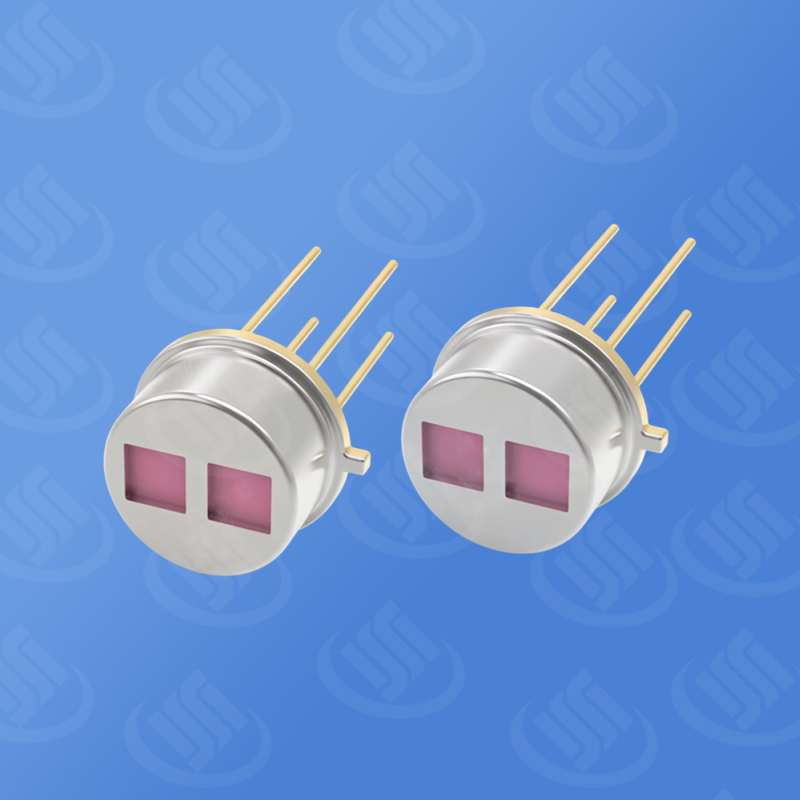 2026-06-22Why does sensitivity decrease? The sensitivity of a gas sensor is one of its core performance indicators, which reflects the sensor's ability to respond to changes in target gas concentration. The decrease in sensitivity may be caused by various factors. From the perspective of the sensor's own structure, aging of sensitive materials is a common cause. Taking metal oxide semiconductor gas sensors as an example, their sensitive materials will undergo physical and chemical changes due to repeated reactions with gases and environmental factors such as temperature and humidity during long-term use, resulting in a reduction in the active sites on the material surface and a decrease in the adsorption and reaction ability of the target gas, leading to a decrease in sensitivity.
 2026-06-22As the sensing tentacles of urban infrastructure, switch sensors play an irreplaceable role in areas such as traffic management, public safety, and municipal services. With the empowerment of technologies such as 5G and AI, switch sensors are evolving from single data collection to intelligent decision support. In the field of intelligent transportation, the efficiency optimization of transportation systems relies on switch sensors as the fundamental sensing unit for vehicle road coordination. The geomagnetic vehicle detector identifies the presence of vehicles by detecting changes in magnetic fields. In a pilot project at an intersection in a certain city, the optimization efficiency of signal timing was improved by 35%, resulting in a 22% decrease in congestion index. For non motorized vehicle lane management, infrared radiation switch sensingTotal:5 Total Pages:1 | Page1 9First Page 7Previous Next8 Last Page: Jump
New Sensor Technology Manufacturing Company
Contact Information-
Product
gas sensor flame detector switch sensor Dust sensor Temperature and humidity sensor pressure sensor Other sensors view more>> -
application
Industrial Automation consumer electronics smart home Smart Manufacturing healthcare transportation environmental monitoring view more>> -
news
Company Industry -
Technical
service system Download MaterialsQuestions -
about
Company Profile Corporate Culture Corporate Image Honors Video Center -
contact
contact
 Add WeChat
Customer Consultation Contact Information+86 400 8638 732
MinSi (Hubei) Sensing Technology Co., Ltd. 【Admin】 - application